Turn Intention Into Action
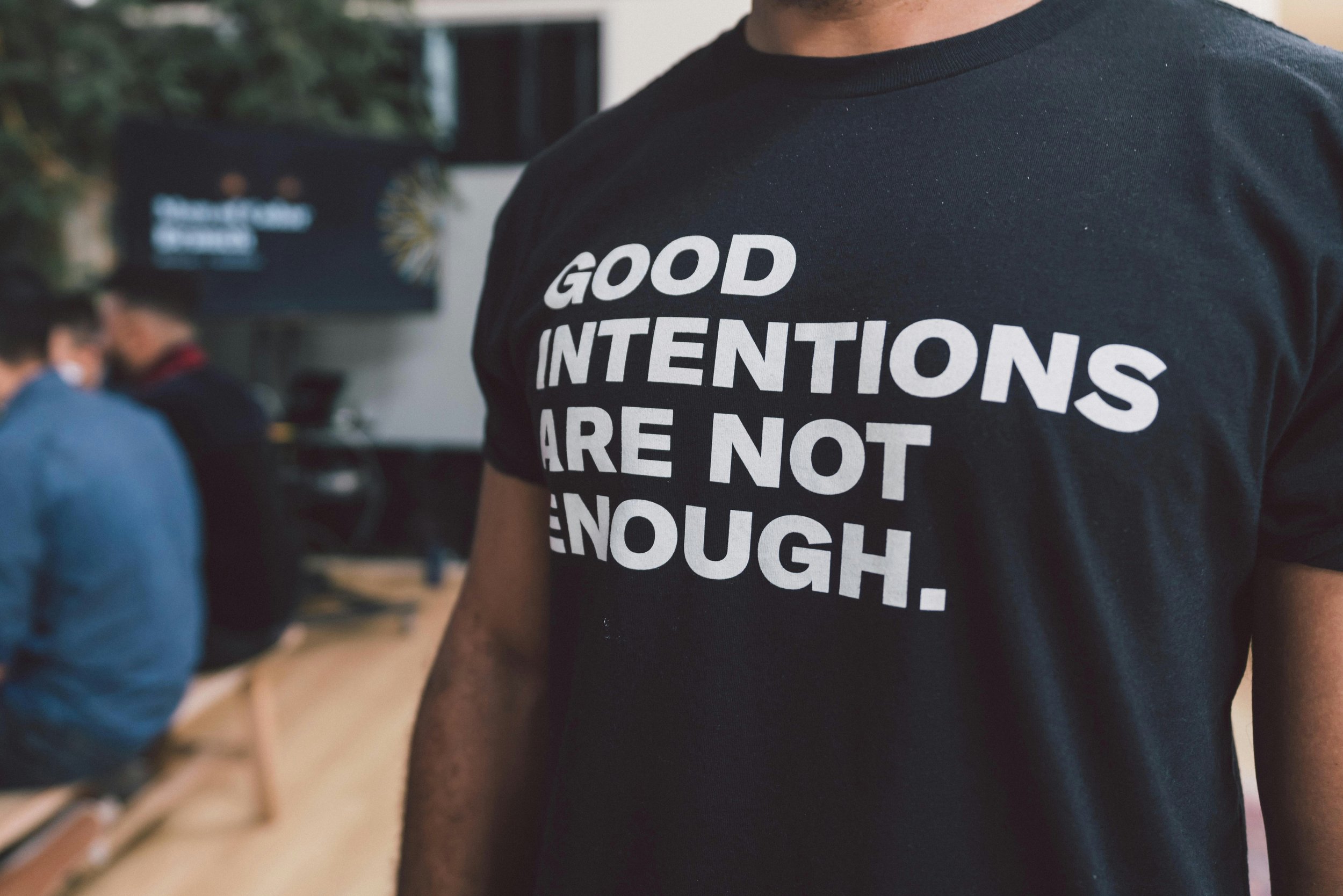
How does one turn intention into action - with steps and real-world guidance?
Intention is powerful. It’s where everything starts. But intention alone doesn’t change your life—action does. The magic happens when you take what you want and translate it into what you do, even when you’re unsure, even when you’re not “ready,” even when your confidence hasn’t shown up yet.
Because confidence doesn’t always arrive with a bold entrance. Sometimes it builds quietly—step by step—as you show up for yourself day after day. It grows when you choose to try without guaranteeing the outcome. Every time you take action despite self-doubt, you reinforce the belief that you’re capable. Confidence isn’t about having all the answers—it’s trusting you can figure it out along the way.
And that’s the real secret: you don’t wait for confidence to act. You act, and confidence follows.
Below is a simple, repeatable framework to turn intention into action—without burning out or overthinking your way back to “someday.”
Step 1: Name Your Intention Clearly with No Vague Goals
A vague intention creates vague results. Get specific enough that you’ll recognize progress when it happens.
Instead of: “I want to be healthier.”
Try: “I’m building a routine that supports my energy and strength.”
Instead of: “I want to grow my business.”
Try: “I’m increasing leads by consistently showing up and making offers.”
Quick guidance: Write your intention as a single sentence starting with:
“I am committed to…”
Example: “I am committed to creating consistent momentum toward my goal.”
Step 2: Shrink the Goal Into a “Next Small Step”
Big goals overwhelm the mind. Small steps build momentum. Examples of this might look like:
Write one paragraph (not the whole book)
Walk for 10 minutes (not a full workout plan)
Send one email (not “fix the whole business”)
Clean one drawer (not “organize my life”)
Guidance is to create small steps to tackle one larger step. Ask yourself:
“What’s the smallest action I can take in the next 24 hours?”
If your next step feels heavy, it’s still too big. Cut it in half. Then cut it in half again.
Step 3: Choose a Daily Non-Negotiable - Identify Your “Minimum Baseline”
This is how you stop relying on motivation. You set a baseline you can keep even on messy days. Pick one action that moves your intention forward and keep it small enough to be consistent.
Examples:
15 minutes of focused work
One outreach message a day
One piece of content (even short)
Prep one healthy meal
5 minutes of journaling or breathwork
Guidance here is that your baseline should be “too easy to skip.”
That’s the point. Consistency builds identity.
Step 4: Build Your “If–Then” Plan — So You Don’t Get Derailed
Life will happen. Plan for it. Use this formula when this occurs.
If (obstacle happens), then (I will do this smaller version).
Examples of what this looks like:
If I’m too tired to work out -> then I’ll stretch for 5 minutes.
If I don’t know what to post -> then I’ll share one tip or one story.
If I feel overwhelmed -> then I’ll do 10 minutes and stop.
This approach protects your momentum.
You’re training your brain to stay in motion.
Step 5: Take Action Before You Feel Ready — This Is the Confidence Builder
The key to making things happen isn’t waiting for the perfect moment. It’s starting with what you have, where you are.
Guidance for when self-doubt creeps up. When you hear, “What if I fail?” Respond with “What if I learn?” Or even better: “I’m not here to be perfect. I’m here to be consistent.”
Confidence is often a result of action, not a requirement for it.
Step 6: Track Proof — Because Your Brain Needs Evidence
Your mind will forget how far you’ve come unless you show it. At the end of each day, write down:
One action I took
One thing I learned
One win (even small)
This is how confidence becomes real. Evidence beats affirmations every time.
Step 7: Adjust Weekly. Don’t Quit — Refine
If something isn’t working, it doesn’t mean you failed. It means you learned what needs to change.
Once a week, check in:
What felt easy to sustain?
What created resistance?
What needs to be simplified?
What’s one next step for the next week?
Progress comes from showing up—not perfectly, but persistently.
Your system should serve you, not punish you.
A Simple 7-Day Intention-to-Action Challenge
If you want a clean start, try this:
Day 1: Write your intention in one sentence.
Day 2: Choose your next small step and do it.
Day 3: Set your daily baseline (10–20 minutes).
Day 4: Build your If–Then plan for obstacles.
Day 5: Take one “scary” action (small but brave).
Day 6: Track proof: write your wins and lessons.
Day 7: Review and refine for next week.
Closing: Willing Beats Fearless — Hands Down
You don’t need to be fearless to reach your goals—you just need to be willing.
Willing to try. Willing to learn.
Willing to believe you’re capable of more than you know.
The road may not always be smooth, but growth rarely is. What matters is that you keep going—one honest step at a time.
Your intention becomes your reality the moment you start acting like the person who’s already on the way.
Your Soul Translator,